The Laundromat Machines All Showed My Birthday
In the empty laundromat, every glowing timer showed my birthday. The stranger who drifted in knew more than the machines did.

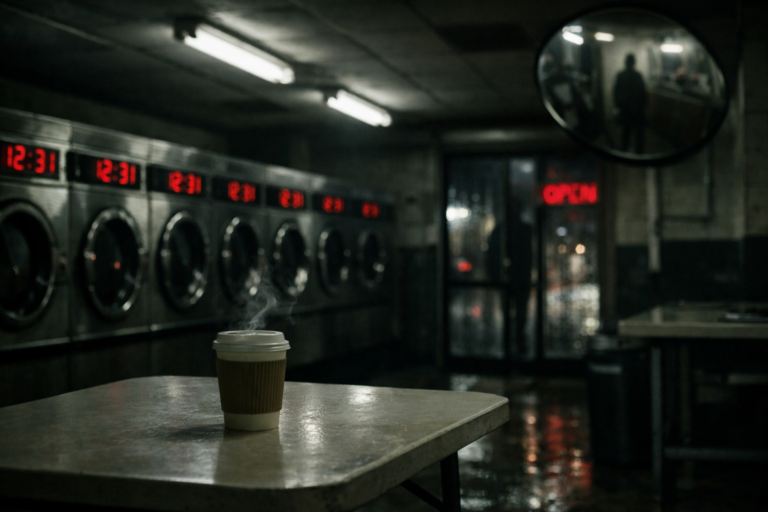
In the empty laundromat, every glowing timer showed my birthday. The stranger who drifted in knew more than the machines did.
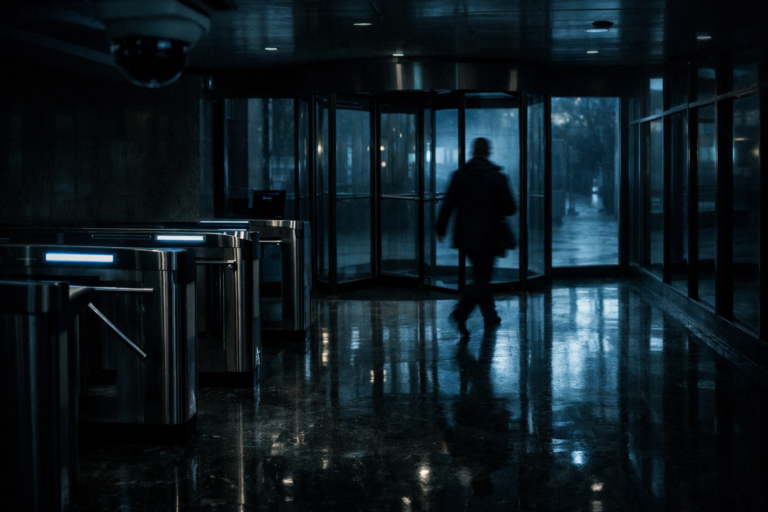
Everyone swore they watched me leave before I arrived. The cameras agreed. By the time I tried to go home, my badge said I was already gone.
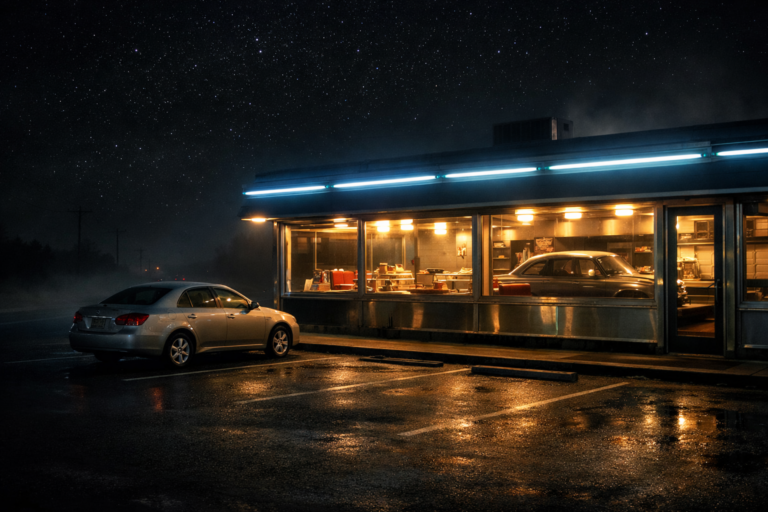
The prices were wrong, the music older than the night, and the glass showed my car as it wasn’t. By morning, the diner was gone—but the receipt wasn’t.
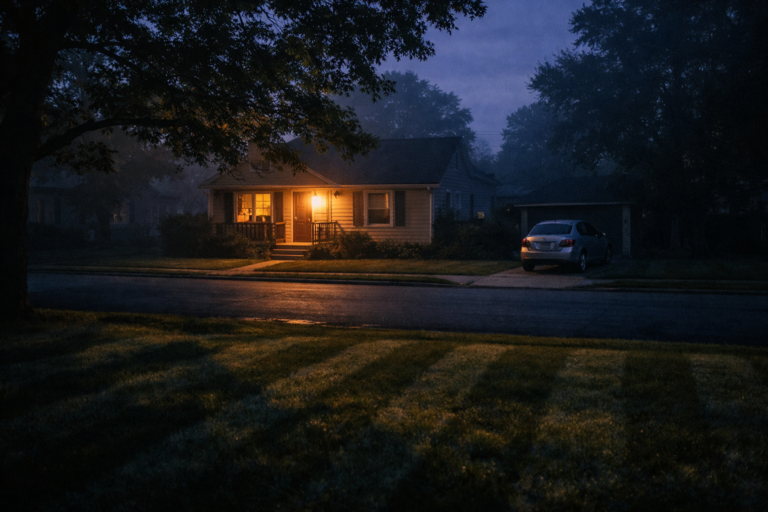
I turned onto my street at dusk and saw my porch light burning—on the other side of the road. By morning, the street was right again. The photograph wasn’t.

Over two weeks in the city, strangers stopped me to whisper the same five words—always when something flipped to green. I tried not to learn the rhythm it wanted.

I stepped inside for batteries and saw my reflection still outside in the glass. The cashier swore I’d come in twice. When I left, it had already gone.

I found a letter postmarked with tomorrow’s date. Inside was a warning about a thing I hadn’t done yet. By morning, reality seemed half a day ahead of me.

After my car died, I found an old bus stop on a road that never had one. The schedule named a future route, and the bus I heard never came.

On a route I could drive blindfolded, the asphalt ended in raw earth and weeds. The GPS insisted I was on a road. Then the porch lights came on.

Across a quiet town, every clock froze on the same minute—then the siren began. For a breath of time, no one could say where they had been.

The field took the storm everywhere but one spot. We stood in the open, listening to the rain hesitate at a clean edge no one had drawn.

On quiet nights, the baby monitor carried more than static. Something in the yard found its way to the speaker, sounding nearer every time.