The Chapel Bells Rang From Under the Hill
The bell from San Miguel always goes first. I can tell the hour just by the way it wobbles on the air and slides down into the plaza. Six taps means the kettle’s just shy of boiling. By the seventh, the roosters have worked themselves into a thread of crowing along the fence, and the goats start fussing because they hear the women moving pans on the comal. That morning was no different. I was sweeping the front step, dust lifting off the cement like old flour. My neighbor Delfina was patting masa and singing under her breath. A boy ran by with his school notebook pressed to his chest and dust on his socks. The sacristan, Tadeo, always adds two quick pulls at the end because he’s proud of the climb up to the tower; you can hear his breath when he leans against the rope. He did them cleanly that day, and the sound fell between the jacarandas and the ragged flags over the tienda.
I set the broom against the wall and looked at the sky to guess the weather. The clouds had arranged themselves like carded wool over the ridge, pale and fat. The smell of the morning was beans, wood smoke, damp earth. Then there was another bell. Not an echo—you can tell an echo because it carries the roof tiles in it, it shaves the edge off the sound. This one was clean and round as if someone had polished it with oil. It rose up from the dirt under the hill we call El Cerrito. Not loud—no, it was sly about its volume—but so clear it felt like I had put my ear against brass.
Two notes. A pause. Then one, a little longer. It was close the way a voice is close if someone speaks from behind a door. Delfina looked up without stopping her hands and said, “Qué gracioso,” though her voice was not amused. The boy with the dusty socks slowed and turned his head like a bird. Across the street, my cousin Ramón stopped loading crates of oranges and put a hand on his lower back as if to lean into the air and listen harder. The San Miguel bell had gone quiet after Tadeo’s flourish, but this other one kept breathing in the spaces between our footsteps.
People came out from their houses without meaning to—doorways filling one by one like the plaza had eyelids. Someone laughed and said an echo can roll a long way, especially if the mist sits in the valley like a scarf. But even the ones who never stick their nose into anything edged toward the foot of the path to El Cerrito, where the yard turns to field and the field to nopales and tepetate. We went like we go to any fool thing that hums in the middle of a workday; we went because once you’ve heard a true bell you want to know whose wrist is on the rope.
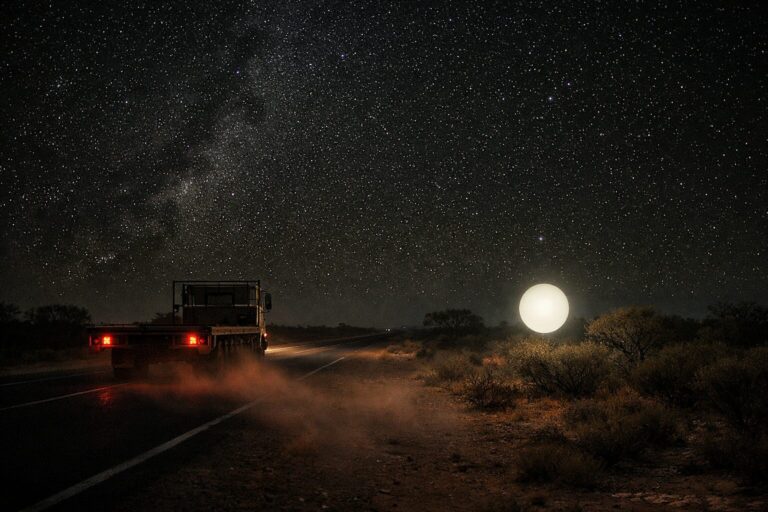
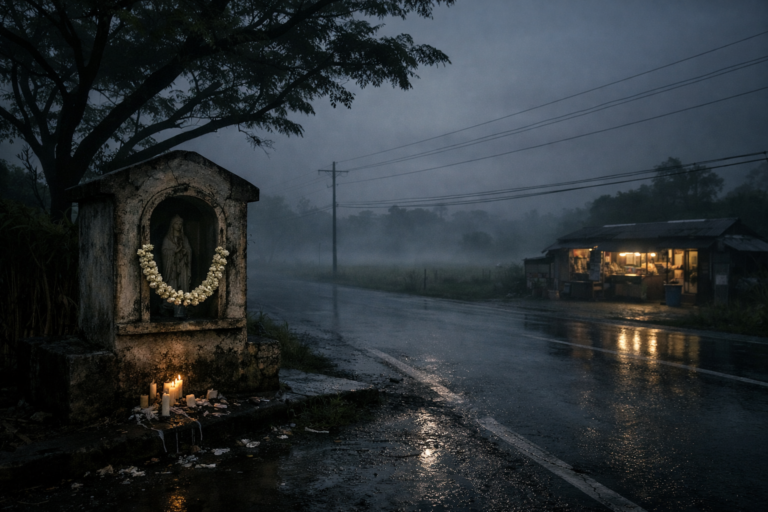
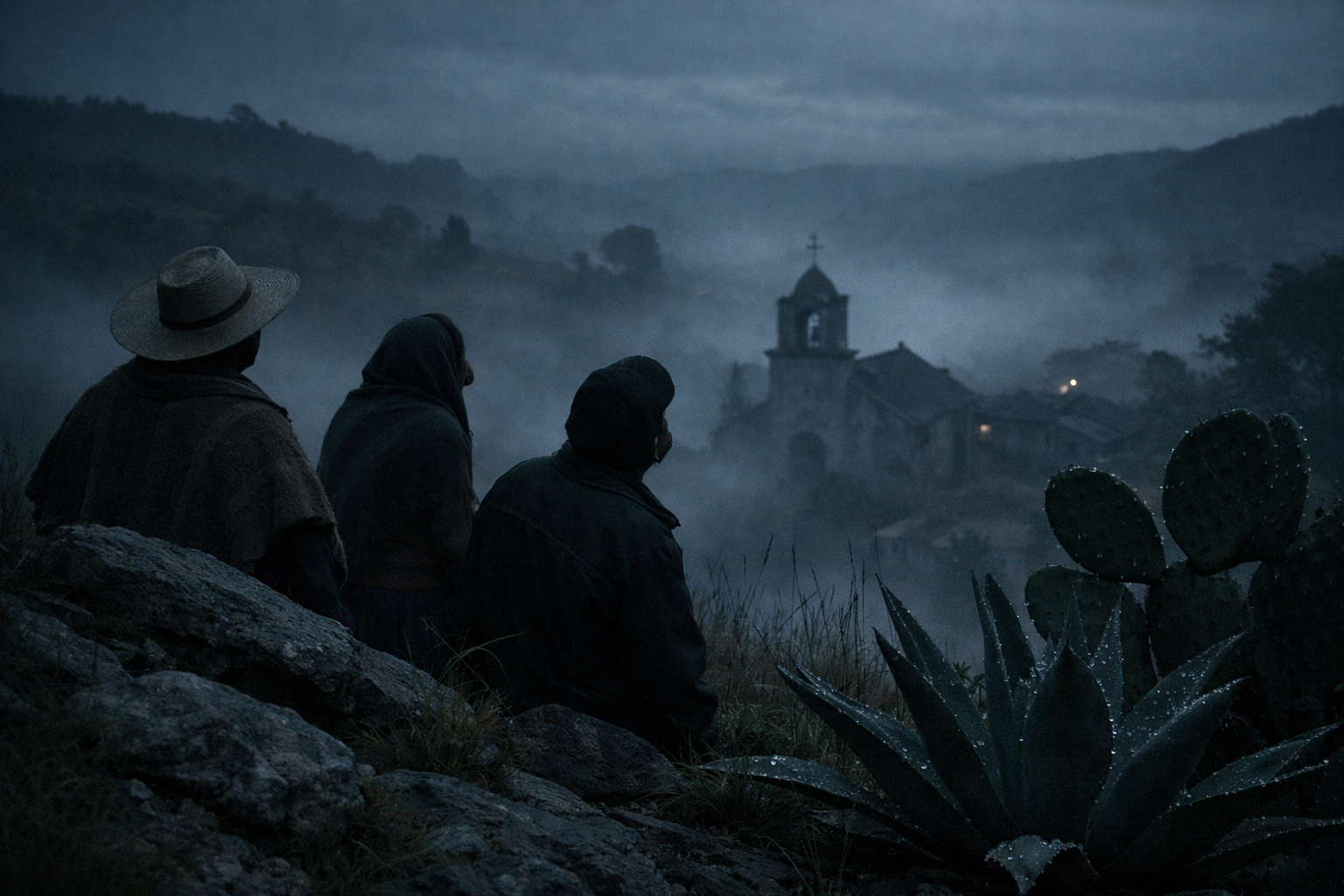
The path up is rutted and mean. In dry months, your ankles fill with gravel; in wet, it is a song of slipping. We climbed past the low stone wall where someone planted marigolds last year and past the agave whose leaves curl like sleeping cats. The hill is nothing on a map, just a fold of the earth that forgot to lie flat. Men have walked it forever to check the cattle that graze on the common land behind it. There is no tower there, no old chapel ruins we tell stories about to the children. It is brittle grass, black rock, a couple of crosses hammered into the sun-cracked dirt where accidents have happened on the road below. I know those crosses; I helped paint a name onto the wood for my aunt’s second husband when his truck went end-over-end.
At the ridge, the sound slid under our boots like water. The air felt busy at our ankles. Ramón squatted and put his ear to a flat outcrop streaked with quartz; after a second he lifted his head quick, blinking like he’d just been told something. “Está aquí,” he said, not pointing at the sky but at the seam where the rock stitched into the hill. We took turns pressing cheekbones to the stone. The cold went through to the teeth. The bell—if that’s what I should call it—came right up into the bones of the face. No surface rattle, no metallic fiber, just the shape of a tone the way a name has shape when someone who loves you says it.
“Maybe there’s a cave,” said Tacho the mason, hooking his thumbs in his belt. He took the handle of his machete and rapped it along the rock, moving his ear along with the light taps. A hollow rock sounds the way your palm over your mouth changes your own words. But the nothing we found was a very certain nothing: the rip-rap was tight; the shelf gave back only its own skin. Even Tadeo, who had followed us up with the bell rope’s roughness still marked down his palm, could not make his face say joke. He swiped at the stone as if dust would lift off and reveal a mouth.
“We used to hear stories,” old Rosa said, one of those who had climbed without a hat and was now shading her hair with her scarf. “Mis tías talked about a hermitage, up on the side of a hill before the town moved lower. They said rain brought the hill down one night and took the little altar with it, candles and all. But they were always putting a veil on everything back then.” She sniffed. “A hill can keep what it wants.” She pressed her palm to the stone and closed her eyes. Then she crossed herself twice, fast, like a person ashamed of the movement.
We cut into the dirt with a stick, then another, then Tacho, giving in to the itch in his hands, leaned his shoulder into a pry-bar he’d brought because a man like him never goes anywhere without a tool. We lifted nothing but the idea that we might lift. The earth gave us ants and a shard of tile with a blue slip the color of swimming pools. “A plate,” said Delfina, who collects stories the way others collect buttons. “Or a saint’s eye.” She said it lightly, but she did not drop the shard back into the hole; she wrapped it in the corner of her apron and nestled it against her belly like a warm roll.
We came down with dirty knees and nothing to show the alcalde except our faces. In the plaza, an argument had already grown roots: the younger men laughed a little too hard, calling up names of famous tunnels in other towns, myths borrowed from the city. The older ones sat with their hands on their knees and listened to the open, a way of listening that makes the talk soften around them. The bell had gone quiet as if embarrassed by our attention. We began washing pots and hanging laundry as if the morning had always been that morning, though several of us found ourselves pausing with a wet shirt over our hands, watching the hill as if we had a dog up there that might wander into the road.
That would have been the end if the ringing had kept itself to its one clean trick. But days later, toward evening when the shadows got long enough to make the plaza look like a tablecloth over uneven plates, it began again. I was carrying two buckets from the well. The first clear chime rose from the ground, then another, then a string of three drawn-out strokes. People stopped where they were, even the men playing dominos. The sound was not loud, but it sat in the hollow of the ear like a finger pressed there. A woman near me began to count under her breath. Three—she looked toward the road where two white crosses and one small one lean into each other like reeds. Then a pause. Then nine slow notes, knotted together so gently they almost felt like one drawn-out thing. Nine, like for a man, someone whispered, like the way we tolled for Don Mateo last month when the fever took him.
Another sequence, seven this time, light, almost shy between the stones. Seven is for a child here. It is the number Father Lupe taught Tadeo to pull when the small coffin comes. Someone’s hand closed on my wrist without asking, and it was Delfina’s, cold with wash water. “No,” she said, though no one had asked her anything. “No.” I realized I was counting, too, without thinking I had started. Five, for the accident on the highway two weeks ago, when the pig transport overturned and the boy whose job it was to help his father load lumber gone that day anyway—gone anyway. The plaza swelled with knowing. You could feel minds like fish, all turning at once at the same flash.
It didn’t go on long—maybe the length of time it takes a kettle to go from a mutter to a fury. Then the tone folded itself under the weeds, and all we had were the numbers in our throats. A man laughed too hard again, and the sound cracked halfway through. Children drifted toward their mothers without planning to. The dogs went from still to pacing, nails clicking like rain under the portales.
That evening, the men went up with lamps. I did not go because sometimes it is better to let the land do its talking without your breath in it, but I waited with the women, sitting on the low step where the paint peels and shows the layers underneath like old eggshells. From the edge of the dark came the oil-light glow of their lanterns shuttling along the path. Once I thought I heard them call down, but it was only a word that stayed on top of itself and did not make it into a sentence. Later, Ramón told me that up there the sound came through the soles of their shoes and that when they took them off and stood in their socks on the tepetate, the tone tricked the bones in their feet into feeling tall, as if they were standing on a rung of something. He said no wind moved, and yet he smelled rain. He doesn’t lie about smells.
In the days that followed, we tried to get ahead of it the way you try to get ahead of a leak. Father Lupe tied the chapel bell’s clapper with a strip of cloth for a week so no one would confuse the voices, and Tadeo left the rope dangling like a line with no fish. If we heard a bell then, we knew from where it came. We swept the plaza early and we brought the dead more flowers than we needed to, because it felt wrong to be stingy with petals when something under our feet knew the counts better than we did. Some nights there was nothing. Then on a morning when fog hung low and the smell of wet tortilla spread from every house at once, the hill rang again—one, then three, then one, the pattern we had pulled last year when Berta lost her baby before it had a name. She was there in the plaza, hand to her mouth, and you know people can hold themselves together with one hand and still stand.
“Omen,” someone said. “It announces,” someone else countered. “No—it remembers,” said old Rosa, and the word sat among us like a stool pulled up to the fire for a guest. Others said it was an echo finally finishing its journey from another time, like the way light from a dead star keeps traveling as if it still had a body. The boys with phones walked the slope pointing them at the ground in case any signal wanted to show itself, as if the hill might be tempted by a red dot. Tacho put down salt at the place where the rock makes a lip, and Delfina left three kernels of corn there. If you asked her why, she would keep pressing the dough and look out beyond you and say, “Por si acaso.”
On the first of November we lit marigolds until the doorways looked like soft fires and the smell of cempasúchil ran along the ground. I put out a little plate for my father, a cut orange and half a cigarette, and I talked to him as I do every year. Just after dusk, when the candles had swapped places with the sunlight and there was the kind of hush that feels like a breath held not for fear but for listening, the hill began its tone again. This time it did not count. It drew itself long and even, like a line written without lifting the pencil. We made no motion toward the path. We stood where we were, and some of us leaned forward, as if into a wind that was not there, and some of us leaned back, as if a door had just opened behind us. The bell under the hill went on exactly as long as the breath it took for Father Lupe to raise the aspergillum and scatter the last drops over the little altar in the plaza. Then it folded away. We did not applaud the silence or each other.
Since then, the sound returns when it chooses. Sometimes it is the natural hour for bells; sometimes it is an hour no bell claims. There are days it keeps its voice and there are weeks the hill is a good neighbor, offering nothing but stone and dust and a place to sit and look at the roofs of our houses like boats against the slope. Once, when I was sweeping near the doorstep with the morning not yet finished turning into day, the bell came up thin as a wire, only a hair of a tone, so faint I wondered if I was making it by the way I pressed my teeth. I set the broom down and knelt and put my palm flat to the cement of the step. The earth felt no different from any other time. Then, just where the heel of my hand touched, a hum rose, delicate as if it did not want to disturb the neighborhood of ants running their old roads. I almost lifted my hand away to see if it would stop but didn’t. I did not call out to anyone. I let it wash the skin above my bones, and as it slipped down, I pressed my thumb into the dust and made a small circle that meant nothing to anyone else and exactly what it needed to mean to me.
We talk now without moving our mouths about whether the sound is telling, remembering, echoing, or doing something that doesn’t fit into the verbs we have. A few men wanted to open the hill with picks, and one day they did, coming back at noon with fingers chewed into blisters and their hats crooked, the ground miserly as ever. Others leave a coin on the rock lip or three white stones in a row, a private bargain with a place that asks nothing and then, some days, asks us to listen. When it rings, the plaza stills and the children look at the faces of their elders to know whether to laugh or be quiet. We count softly, always, as if the numbers might slip through our fingers. On the days without bells we still sweep, we still lay masa on the comal, we still watch the edge of the town where the hill keeps its counsel. If there is a rope at all, it is under our feet, and no one I know has a hand on it, though some of us, listening, keep a wrist free just in case.