The Diary That Ended With One Sentence
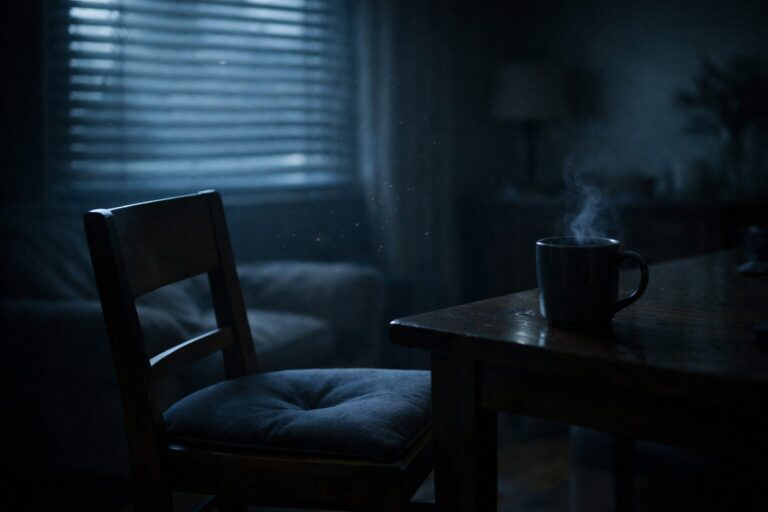
I had put off the last box for months. It sat under my dining table like a small animal that preferred the dark. My mother sent it when she cleared her storage unit—family odds and ends, photographs, brittle birthday cards. On the first really quiet night of early winter, the kind of night when the building clicked and breathed and the street downstairs lay empty, I slid the box out, sat on the floor, and started to sort.
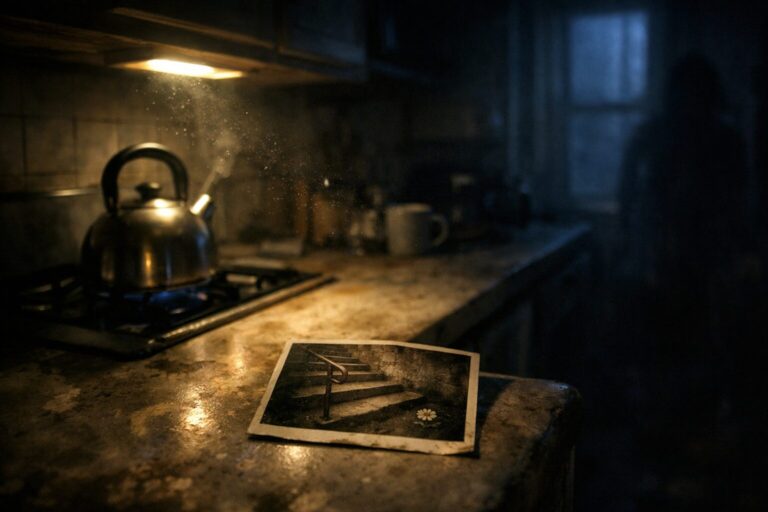
There were sepia faces with unfamiliar cheeks and careful hair. A tin with coarse thread wound around cardboard spools, old bus tokens that were probably trash, and, at the very bottom, a little book with a worn cloth cover the color of faded moss. The spine had gone soft. The gold on the edges of the pages had thinned to a tired glimmer. I thumbed it open out of habit more than curiosity.
It was a diary. Not one of the lock-and-key ones we had as kids, but the kind an adult buys at a stationery store—subtle marbling on the flyleaf, faint blue lines, the date boxed neatly at the top corner of each page. No name on the first page. No inscription. It smelled the way old paper always does if you hold it close: like stale tea and a little like a cupboard that’s been shut too long.
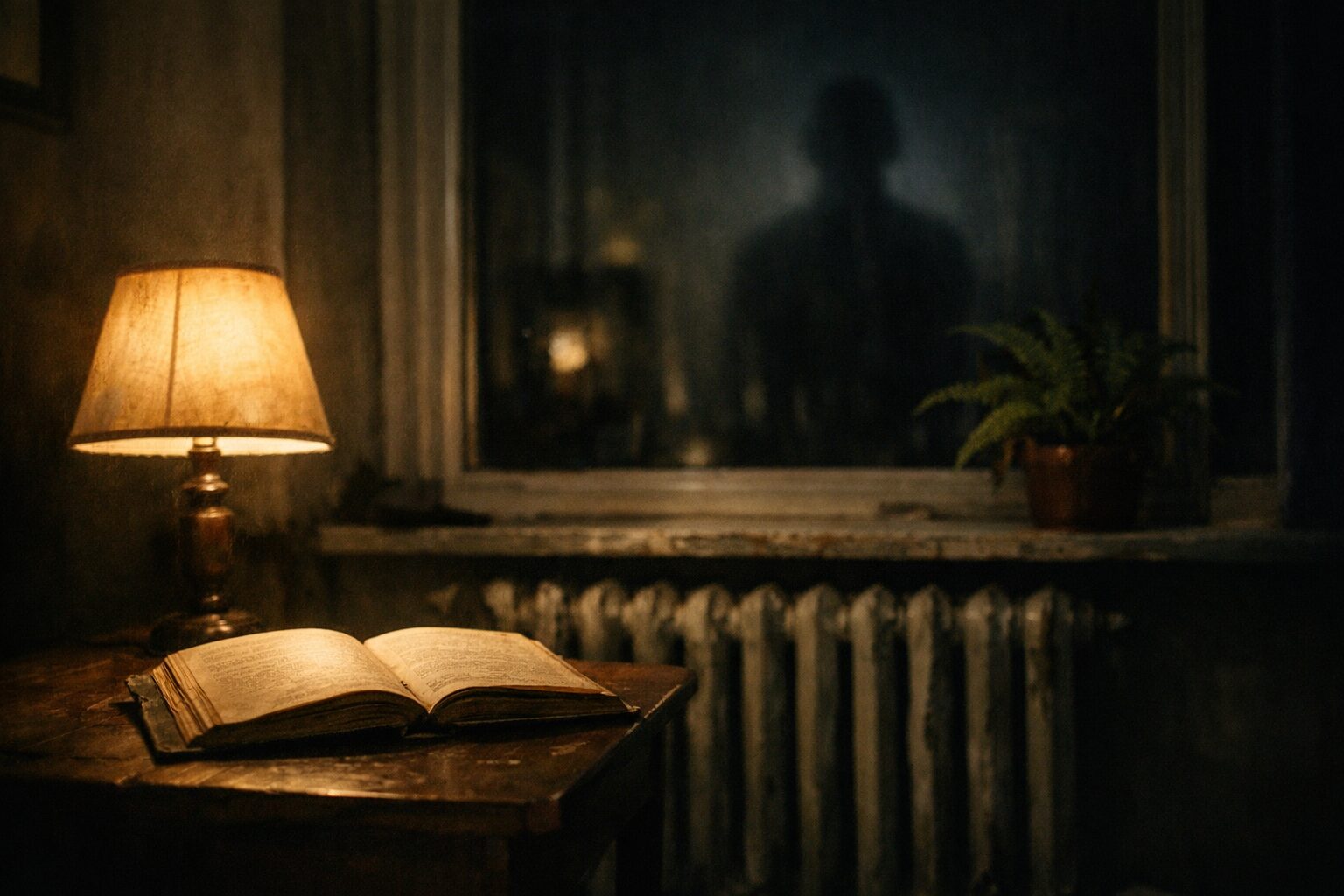
I made tea and turned on the lamp with the cloudy glass shade. The radiator tapped a soft, stubborn rhythm that the whole building shares. My apartment felt like the kind of small island I find easiest to live on: a table with a bowl of keys, one fern bending itself toward the window, a rug that never sits quite flat. Midnight had already put its shoulder against the door.
At first, the diary was so ordinary I nearly put it aside. Dinners with someone named Ruth. Milk left on the step and then soured. The washer in the basement that refused to drain on Tuesdays. The little triumph of a coupon clipped for coffee. There were pages that were just lists: to mend a cuff, to buy stamps, to call the gas company. The handwriting was tidy without being fussy, gently right-slanting, each line a quiet habit.
I read in loops. Years weren’t written, only months—March beginning with a late snow, May with rain that made a sound like corn husks against the window. There were notes about a neighbor playing records too loud. About the relief of vacuuming. About the way light fell on the table in the late afternoon and made the dust in the air look generous.
Somewhere in July the script began to thin. Not all at once. A word would be scratched out and rewritten more tightly, as if the hand had grown cautious. A clean loop in a g would fold into itself and lose air. The careful slant started to stand more upright; a few lines crowded the margin. None of that is wrong by itself—days press in on people, older pens run dry. But it felt, I don’t know, as if the diary was pulling its sleeves lower over its wrists.
By August the entries were shorter. The dates still started in their little boxes, but the lines below grew stingy. One read, simply: Woke. Heard it again. Another: Hall, late, the step by the mid-landing. Later: Left the closet door open by mistake. Didn’t like how it looked. Then: Won’t write it. Won’t bring it here on the page.
I sat back at that one, the radiator now a low hiss. The traffic outside had given up completely. The fern ticked when a leaf slipped against the glass. I hadn’t expected the presence of anyone else in those pages. There weren’t names beyond Ruth, beyond a Mr. Ellis who fixed the ceiling after a leak. No confessions, no extreme feelings. And here, in the skittish economy of late summer, was the refusal to name something.
I turned another page. There were the sounds a building can make—noises I had heard for years: the settling of lumber, the little kick in the pipes, the way a door in the hallway takes a while to remember how to be closed. But they had been pinned here one by one, made strange by being attended to. The writer heard coin-rolling sounds in the wall one night. Another evening brought a tapping that kept the speed of a person thinking. Then a line that had been started, slashed out, and left as a smudge that had bled into the paper fibers. A sentence that trailed: If I call it by— followed by a blot the shape of a thumb.
I put the edge of my mug in the saucer quietly, as if someone else in the room might be asleep. The silence had become the kind with personality, the sort that sat politely and listened for your turn to speak. I turned another page.
September came thin and crowded. Notes about taking the long way home after forgetting the mail. A complaint that shoes had been moved from where they had been lined up. In the margin, suddenly: Stayed up late to make a show of it. Another day: Will try the radio. It doesn’t matter. Then: The word I don’t write is not going to be said with my voice. And beneath that, in a more labored hand, as if the pen had to be pressed: It watches when I look away, the way people in the street do from a window when they don’t want you to see them looking.
I breathed in and thought of the pane beside me, of my own window’s black square reflecting the lamp, showing my face like a coin smudged by fingers. My apartment was a simple box made of pale walls and one stubborn corner where paint never quite took. I could see my chair’s back in the glass, and the faint ghost of myself. I turned another page.
There wasn’t much left. The paper near the end had gone fragile and held creases like delicate bones. The last full page had a grocery list and then a single complaint about the noise the key made in the lock, as if keys can blush. Below it, lower on the page, not quite centered as though written with the book in a lap, was: I heard it cough. A draft doesn’t cough.
Then the final sheet, where the paper changed tone and the lines seemed slightly further apart, as if the printer had been careless that day the book was made. The date box was filled in: only the day of the week, written almost definitely, as if being absolute about a small thing could help. The entry was hardly anything at all. A single line of ink: He is at the window beside the radiator, where the fern is, looking in.
I read it once and didn’t feel a thing; then my body caught up. Beside me was the apartment’s only window, trimmed in white paint chipped to the steel in a corner I had meant to touch up. The radiator sat under it, old ribs in enamel. The fern lived on the sill, ten or twelve leaves, two of which had gone yellow where they had leaned too close to the glass. My lamp’s light turned the glass black and made of it a mirror that kept its secret. I had the feeling my mouth was open, though nothing was going in or out of it.
There are reflexes that live below thought. I looked everywhere but at the window. At my sock where it curled under my big toe. At the seam in the rug that had never stopped climbing up into a tiny ridge. At the place on the table where a ring of water had dried into a pale coin. Out of the corner of my eye, both the window and my own reflection remained present, like a person you’re pretending you don’t know on a bus. I didn’t breathe, then did, shallowly, because I realized not breathing was more conspicuous than breathing to anything that might be interested.
I read the sentence again to be sure I hadn’t made language more dramatic than it was. He is at the window beside the radiator, where the fern is, looking in. There were no words about now, no mention of me, no time indicated beyond the day of the week written above: Tuesday. I closed the diary with the kind of care I reserve for bills I am not ready to address. The covers met with a soft friction. The sound could have been the sound a person makes adjusting in a chair across the room, or could have been only the book, closing.
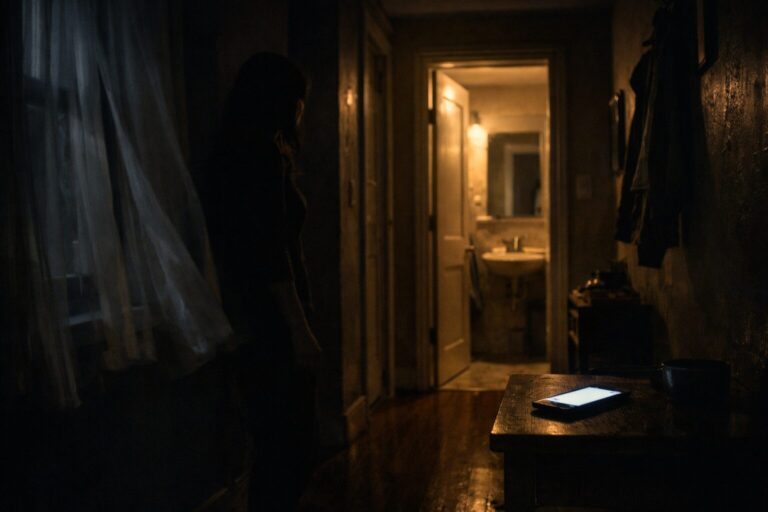
I put the book on the table with the photographs; then I stood and made a show of rinsing my mug. The kitchen tile was cold and not completely flat under my feet. The tap ran longer than it needed to. I told myself I would put the box back and go to bed, that whatever that sentence had done to my small island would recede if I lay down in the dark and acknowledged the ordinary pattern of my ceiling. In the silence that followed the shut of the tap, the apartment felt full of the sort of pause you get on a phone line when you think someone else is still there.
I don’t know how much time I gave it. Two minutes, three. Enough to make an honest show of having been away from the book. When I came back to the table my keys looked wrong because I had picked them up and not put them back exactly the same, and that felt like someone else had touched them. I sat down and looked at the diary, which lay at a slight angle on the photographs, its cloth darkened in the corners by the oils of some older hand. My hand. Many hands.
I opened to the last page because that was what I had promised myself not to do. My lamp caught the page and turned the blue lines pale. The last sentence was where it had been. Nothing had changed there—no phantom addition in a different hand, no dampness making the words bolder. Only right beneath it, lower by a line or two, just far enough that you would not mistake it for the same breath, was another sentence I was not expecting.
The ink was darker than the rest of the book, newer, shinier. I could see the lamp’s circle caught along it like light along the back of a slow thing. The letters had been made by the same hand as all the rest, only the pressure had been different, more hesitant at first and then resigned. It read, in small, nearly private strokes: He hasn’t moved.
I don’t know how long I sat without checking the glass. I watched the bright line on the fresh words dry and dull. In the window, beneath my reflection, something else might have been very still. Or the room had learned, over time, how to watch back, and was practicing on me. When the radiator sighed once and settled the length of itself, as if pleased to be done for the night, I closed the diary again, and this time, I didn’t set it on top of the photographs. I slid it into the bottom of the box, under the threads and the tokens and the faces I didn’t know, and pushed the box gently back into the dark under the table. The fern’s leaf tapped the glass once like a fingernail and then didn’t do it again.